
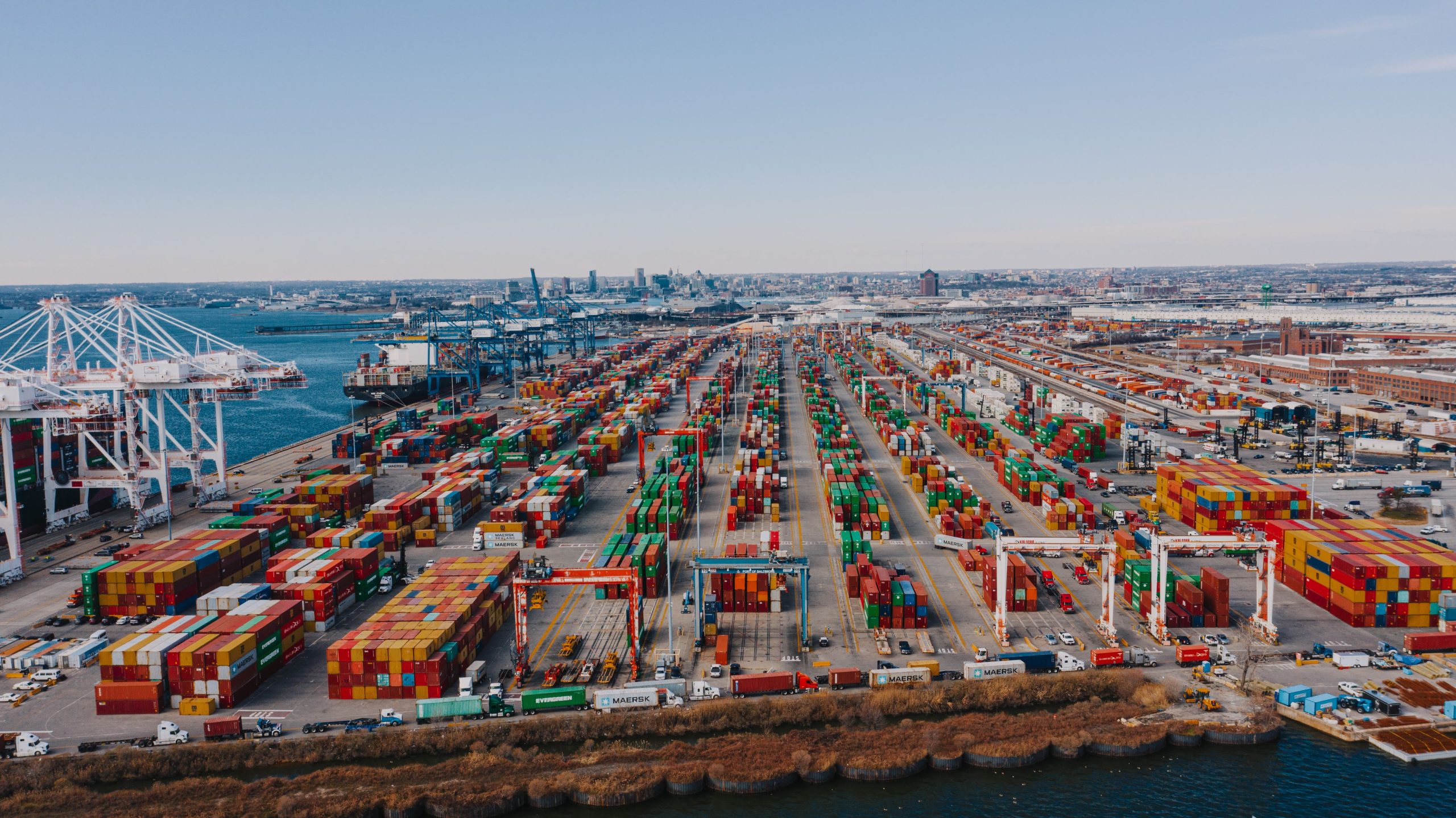
There was a time when supply chains dominated business conversations: empty shelves, delayed shipments, rising costs, and real doubt over whether essential goods would arrive at all. Then the pressure eased. Ports reopened. Freight rates settled. The headlines moved on. Somewhere along the way, “disruption” quietly became “normalisation”, and most businesses slid back into operating as if the vulnerabilities the pandemic exposed had simply vanished with it.
They didn’t. They just stopped making the news.
I run a supply business, so I watch disruption move from global headline to personal crisis in real time. A delayed delivery is never just a logistics problem. For a small business, it is a lost customer, a stalled project, an unplanned cost, a cash-flow squeeze that could have been avoided. Behind every shipment and delivery deadline are people whose livelihoods hinge on things arriving on time, and we’ve allowed ourselves to forget that.
That’s the real mistake: mistaking the return of calm for proof that the problem was solved. The pandemic didn’t create fragile supply chains. It exposed how many businesses had built their entire operating model on systems designed for one thing above all else — efficiency, cost, speed — with almost nothing held in reserve for when those systems were tested. And they were tested. Badly.
Today, businesses talk confidently about diversification and resilience, but talk is cheap, and most of it doesn’t hold up. Having several suppliers listed in a spreadsheet means nothing if they all draw from the same region, the same transport routes, the same raw materials, the same fragile infrastructure. That isn’t diversification; it’s the illusion of it. Real resilience means knowing exactly where your dependencies sit, what could break them, and precisely how long you could keep operating if a critical supplier or route disappeared tomorrow. If you can’t answer that, you don’t have a resilience strategy; you have a hope.
For me, this isn’t abstract. I’m a woman living with a disability, building a business in an industry that wasn’t designed with someone like me in mind. I’ve had to prove my credibility before anyone would engage with my expertise. I’ve been underestimated more times than I can count. Those experiences taught me something the quiet years of stability tend to erase: resilience isn’t a slogan you reach for when things go wrong. It’s a discipline you practise when things are going right: asking the uncomfortable questions, building relationships before you need them, knowing your numbers cold, and having a real alternative ready before the preferred option fails.
That lesson isn’t unique to my business. Whether you run a shop, supply construction materials, farm, manufacture, or provide services, you are one link in a chain of people and businesses you don’t fully control. When one link fails, the damage doesn’t stay contained; it travels, fast, to jobs, customers, and communities that had nothing to do with the original failure. Supply chain resilience was never just a company problem. It’s a livelihoods problem.
We cannot afford to wait for the next major disruption to relearn a lesson we already paid for once. The quiet period isn’t a reason to relax; it’s the only window we get to fix what broke before it breaks again. Strengthen the systems now. Question the dependencies now. Build the alternatives now, while there’s no deadline forcing your hand.
The supply chain crisis may no longer dominate the headlines, but the vulnerabilities it exposed are still sitting there, untouched, waiting for the next shock to find them. Silence is not safety. Stability is not resilience. The real test of any business was never how it performs when everything goes to plan; it’s how it holds up when nothing does.
For those of us building businesses in difficult circumstances, resilience was never theoretical. It’s the work itself.
Written by Mahlatse Lekwadu, Founder, Magadine Business Enterprise