
Ten years ago few people outside a small circle of researchers spoke about artificial intelligence in daily conversation. Today it recommends what to watch, drafts emails and shapes decisions in businesses across the world. Binance, the world’s leading blockchain ecosystem believes digital assets are on a similar trajectory, moving from a niche interest to a normal part of everyday financial life within the next decade. The question the continent faces is not whether that shift happens. It is whether Africa is ready for it when it does.
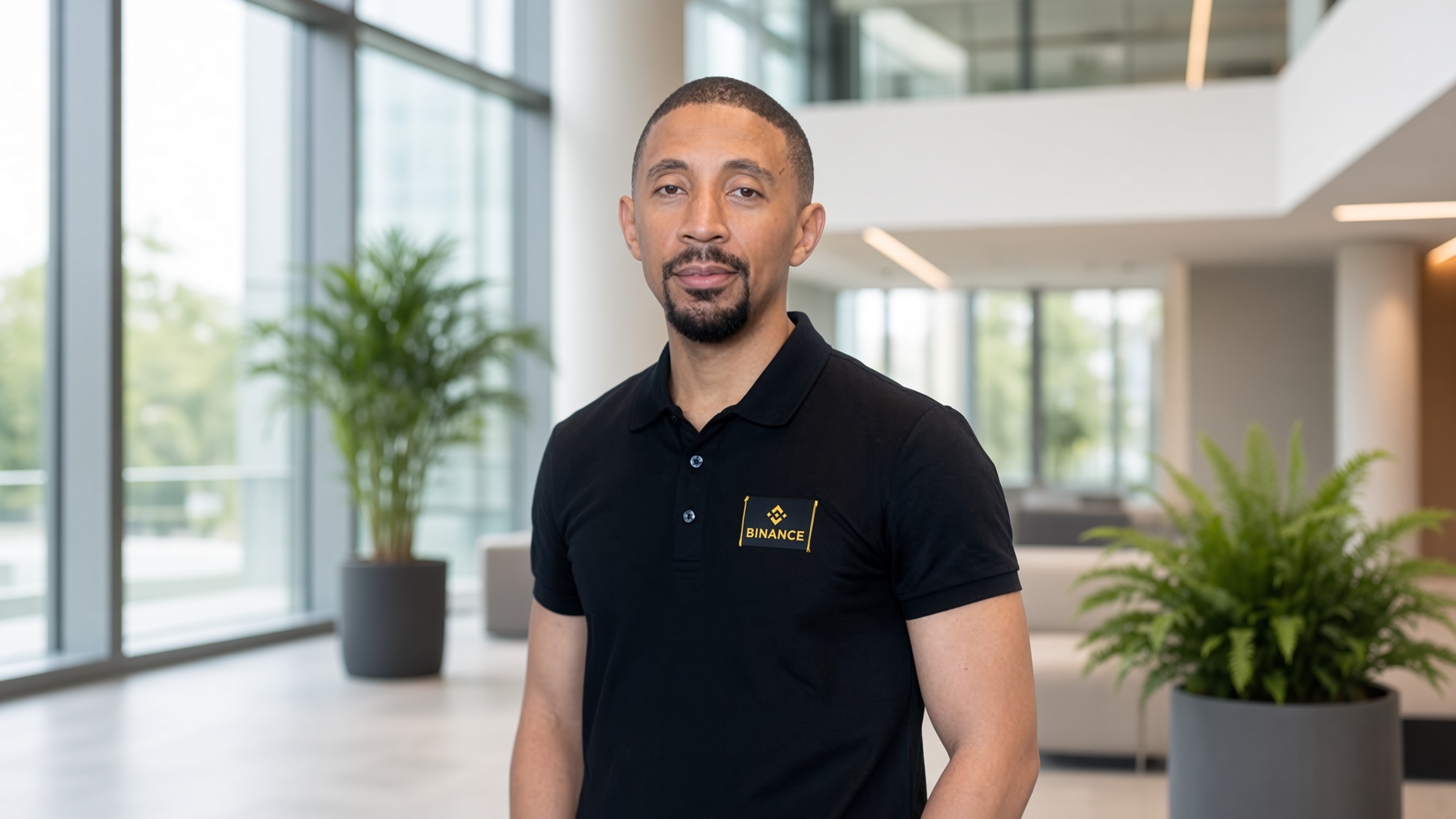
“The rise of AI has shown us how quickly technology can move from unfamiliar to unavoidable. Digital assets are heading in a similar direction over the next decade and the countries that prepare their youth early will be the ones that benefit most. That preparation has to start with the basics of money, taught well before anyone touches a digital asset,” said Larry Cooke, Binance Africa.
Africa is the youngest continent in the world and that will only become more true in the years ahead. Population data compiled by the Population Reference Bureau shows young Africans are expected to make up 42 percent of the world’s youth by 2030. That generation will inherit a financial system already reshaping itself around digital tools, and how well prepared they are for it will depend far less on the technology itself and far more on what they are taught about money long before they ever open an app.
That preparation is currently falling short. Research from the S&P Global FinLit Survey cited in a 2025 analysis of the region found only around 27 percent of adults across Sub-Saharan Africa are considered financially literate, well below the average in higher income economies. This reflects how rarely budgeting, saving and the basic mechanics of money are taught formally at school level, a foundation every other financial decision is eventually built on.
Crypto has followed a similar arc to AI, only a few years behind it. Ten years ago digital assets were a niche, largely speculative interest with almost no everyday use across the continent. Today Sub-Saharan Africa is the third fastest growing crypto market in the world. Much of that growth comes from people using it to send money across borders and protect savings against currency swings, such as a trader in one country paying a supplier in another without losing days and fees to the banking system. The next ten years could see digital assets become as ordinary a part of daily finance as mobile money has already become across the continent.
“This is not a distant trend; it is already happening here. More than 8 percent of crypto moving through the regionlast year was in small, everyday amounts under 10,000 dollars, well above the global average. This proves that ordinary people, not just large investors, are putting this to practical use. Our focus now is to ensure that Africa increases this momentum, empowering people across the continent,” Cooke explained.
Binance Academy was built with this goal in mind. The platform offers free courses covering the fundamentals of budgeting, saving and financial decision making with blockchain and digital assets introduced once those foundations are covered. Courses are available in multiple languages and designed for learners with no prior background in finance or technology, reflecting an approach that starts where most people actually are rather than where the industry assumes they should be.
“Financial literacy is not a side project for us, it is the foundation that everything is built on,” Cooke said. “If a young person in Accra or Nairobi understands how money works before they ever encounter a digital asset, they are in a far stronger position to benefit from where this technology advances to next.”
Binance Africa continues to invest in education initiatives across the continent, built on the view that financial confidence, not just financial access, is what will determine who benefits most from the next ten years of digital finance.