
As South Africa’s independent businesses navigate their quietest months, Yoco’s own data shows what’s actually keeping trade moving: not new customers, but the ones already walking through the door.
In Q1 of 2026, R4.9 billion in transactions from repeat customers moved through Yoco’s food and beverage network. One in three of those customers return at least twice a month, and recurring customers already account for roughly half of all revenue, before a single loyalty programme even enters the picture.
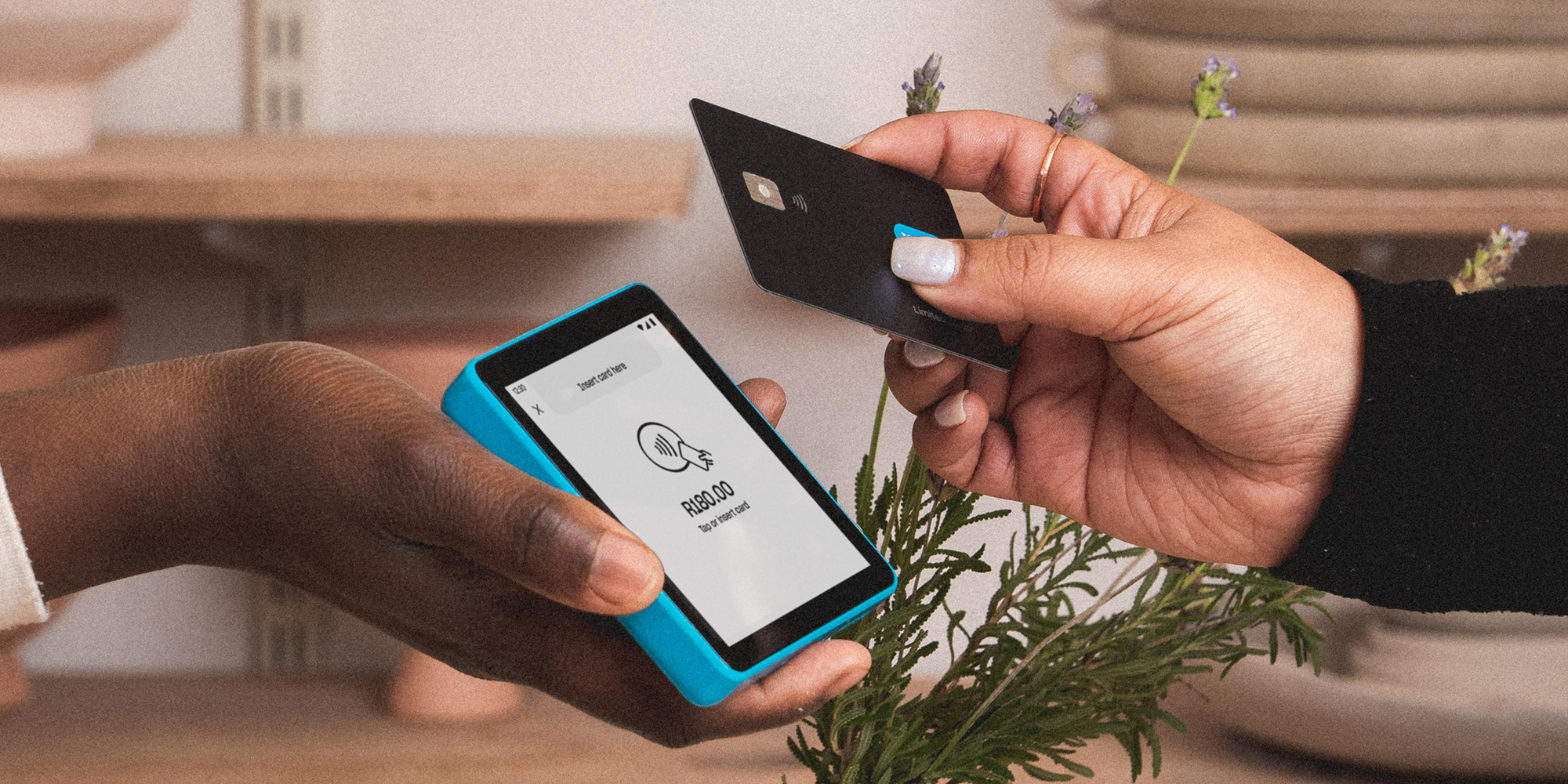
That data sits behind Yoco Loyalty, a simple card-linked loyalty product built specifically for independent businesses. Launched at Yoco Next, the company’s flagship product event for its customers Yoco made the case that most loyalty programmes fail because they cost more effort than they’re worth: stamp cards get lost, apps go unused, and someone has to run the whole thing, usually the owner. Yoco Loyalty removes that step. Points build automatically on every card tap. Customers join once with a phone number linked to the card they already use, get notified of their balance over WhatsApp, and redeem at the counter with the same number. Nothing new for staff to run.
Josh Gavronsky knows that problem first-hand. He started Brewsky Coffee just after COVID, from a single tuk-tuk, and has grown it into a container and four trailers, with a fifth site on the way, built on daily regulars his baristas know by name. As Brewsky spread across sites, keeping track of them by paper stamp card got heavier: a driver collected cards between stores, and someone reconciled them against sales by hand every week. “In general, we didn’t know who our best customers were,” Gavronsky says.
Switching on Yoco Loyalty gave him a way to recognise those regulars without turning it into admin, and got him back around two hours a week previously spent on stamps and reconciliations. “We want to retain those customers. So it’s all about retention, really,” he says. Customers now join with a phone number instead of a card. “You put in your cell phone number once, and people can’t believe that.”
The pattern shows up in the numbers too. At Suur, an artisanal bakery and bistro, customers who joined the loyalty programme spent 2.2 times more over the past two months than those who didn’t, driven entirely by how often they returned (4.4 visits a month against 2 for non-members), not by spending more per visit. That held through mid-winter, typically a slower trading period for the business.
The timing matters. According to the Truth & BrandMapp South African Loyalty Landscape Whitepaper 2025/6, 85% of South Africans already belong to a loyalty programme of some kind, but almost none of them got it from an independent business. That infrastructure has, until now, belonged almost exclusively to the retailers and chains who could afford to build it, leaving independent businesses competing for the same repeat custom without the tools to recognise or reward it.
“Every winter, we hear the same story from independent business owners: trade slows and they go looking for new customers, when the ones who already carry their business through are sitting in their own sales data. Yoco Loyalty exists to make that visible, and to reward it, without adding a single task to a business owner’s day,” says Carl Wazen, Chief Business Officer at Yoco.
Yoco Loyalty is available to Yoco customers on the Yoco Plus Plan and runs automatically once configured.