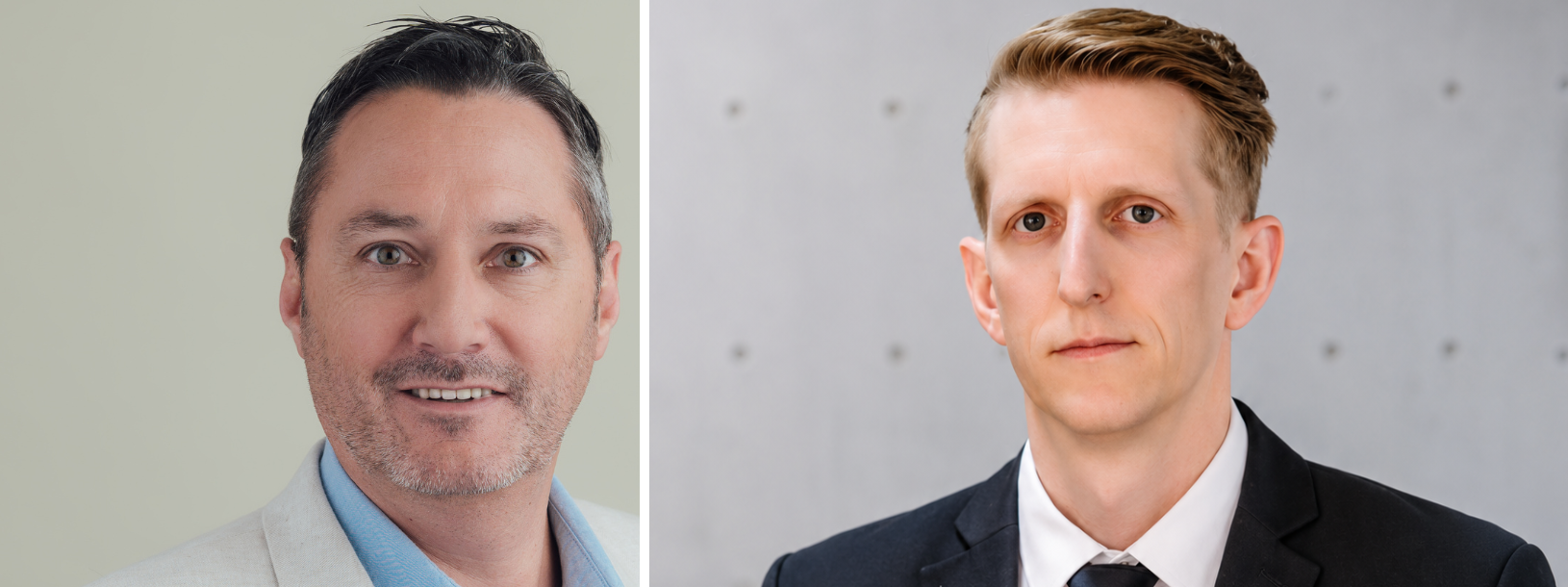
As weather patterns evolve and climate-related risks intensify, the construction sector must rethink how it assesses flood exposure, says Jonathan Kaiser, Head of Claims at Santam, and Mark Barrow, Head of Construction and Engineering at Santam.
South Africa is on the cusp of yet another unprecedented weather cycle, with the World Meteorological Organization (WMO) predicting a moderate-to-strong El Niño event developing between now and August 2026. Climatologists warn this could rank among the strongest events on record, supercharging global weather extremes and driving a higher likelihood of excessive droughts and floods.
Recent events demonstrate just how rapidly these risks are evolving. Severe flooding in parts of the US over the past year caused widespread damage to infrastructure, disrupted transport networks and displaced communities. While across Europe, record-breaking temperatures exceeding 40°C have disrupted power generation, damaged infrastructure and overwhelmed healthcare systems.
Closer to home, recent flooding in the Western Cape resulted in an estimated R9 billion in damages, impacting more than 22,890 homes and 230 roads. South Africa is actively transitioning from a wet La Niña phase into a developing El Niño weather pattern. While drought impacts are expected to be felt primarily across the summer rainfall regions of the country’s central and northern interior, localised flood risks remain concentrated along the eastern coastline and the southern Cape.
For the South African construction sector, this shifting climate outlook raises important questions around the reliability of historical flood data for future infrastructure plans. While there is a growing recognition that the risk environment has shifted, the implementation of mitigation measures remains inconsistent and, in many instances, reactive rather than fully integrated into planning and design. As a result, projects are increasingly exposed to weather-related disruptions that can affect timelines, increase costs, and ultimately challenge insurability.
Designing for today’s conditions therefore requires a shift in approach. Site-specific hydrological studies must be undertaken to ensure that designs properly account for both current and future water behaviour. From an engineering perspective, these studies provide a clear picture of water movement, enabling teams to design appropriate foundations, drainage systems, and protective measures from the outset. From an insurer’s point of view, they offer the confidence that all reasonable steps have been taken to account for potential flooding, making it easier to assess and price risk accurately.
Contractors should also incorporate measures such as freeboard, which involves elevating structures above anticipated flood levels, adding an additional buffer against extreme weather. These types of risk mitigation interventions are critical in minimising the likelihood of water ingress and limiting the extent of damage when flooding occurs.
The consequences of underestimating water risk during construction can be severe. Poor stormwater planning can lead to site flooding, erosion, and even the washout of works, particularly in the early stages of a project before permanent drainage systems are in place. Beyond the direct impact on infrastructure, these conditions can pose a significant safety hazards, putting individuals at risk of injury or in extreme cases even loss of life. These risks are often intensified by inadequate consideration of changing rainfall patterns and increased runoff. Without effective stormwater management throughout the construction process, not just in the final design, projects become significantly more vulnerable.
Santam’s claims data reflects these challenges. A recurring issue is the underprediction of the volume of water passing over construction sites, often linked to the absence of proper hydrological studies. In addition, poorly sealed building envelopes can allow water to penetrate structures during rainfall, resulting in internal damage, rework, and delays. Poor sequencing of works can further exacerbate risk, as incomplete drainage systems or changes in site levels may inadvertently redirect water flow at critical stages.
Overall, there is a clear trend of increasing frequency and severity of water-related claims, with losses often escalating from relatively minor damage to major events.
Beyond individual project design, site layout and runoff management also play a decisive role in mitigating risk. Effective site planning should account for how water enters, moves through, and exits a site, ensuring that runoff is safely redirected without creating downstream impacts. Common shortcomings, such as inadequate stormwater capacity or poor grading, can significantly increase vulnerability. Even well-designed solutions can be undermined by last-minute design changes or poor maintenance of drainage systems.
Addressing these risks requires collaboration across the construction value chain. Developers, engineers, contractors, insurers and municipalities all have a role to play. Municipalities, in particular, can strengthen outcomes by making hydrological studies a mandatory component of development approvals and by maintaining stormwater infrastructure more effectively. While capacity constraints are a reality, a more consistent, risk-focused approach to oversight can make a meaningful difference.
Insurers are also increasingly focused on shifting the conversation from reactive claims management to proactive risk mitigation. By engaging with clients early in the project lifecycle and raising awareness of potential exposures, insurers can help encourage stronger risk assessments and more resilient design decisions. Pricing signals and underwriting discipline further reinforce the importance of adequate planning and risk management.
At Santam, this approach is becoming central to how construction risk is managed. There is a growing emphasis on working closely with clients to identify vulnerabilities early, support more robust planning, and encourage the adoption of resilience measures. The approach is rightly shifting from simply insuring risk, to actively partnering with clients to manage and reduce it.
Written by Jonathan Kaiser, Head of Claims at Santam, and Mark Barrow, Head of Construction and Engineering at Santam