South Africans took to the streets this week carrying a frustration that has been building for years. It found its subject in migration and in a government they long to see move faster. That frustration deserves respect, and it deserves the truth.
Independent research from the Southern Centre for Inequality Studies at the University of the Witwatersrand offers a clear starting point. Foreign nationals hold under four percent of formal jobs in this country. Even a full transfer of every one of those positions to unemployed South Africans would move our unemployment rate by roughly six percentage points, a real number, though it would leave the deeper crisis largely intact. Statistics South Africa placed unemployment at 32.7 percent this year. Seven in ten South Africans believe migrants are taking their jobs. The belief runs deep, and the country deserves a government willing to close that gap between perception and fact with evidence, openly and often.
What the numbers do prove is a state finding its capability in real time. Over the two years to March this year, the Border Management Authority documented 109,344 deportations, an increase of 46 percent. Illegal crossing attempts fell 24 percent across the same period. In a single quarter, 9.28 million travellers passed through our borders lawfully, 23 percent more than the year before, proof that a modern border moves people quickly and still knows exactly who is crossing it.
On 27 May, at Beitbridge, that capability produced its clearest evidence yet. Officers from the Border Management Authority, working with the Hawks and SAPS K9 units, intercepted a truck carrying methaqualone worth close to a billion rand, described by government as the largest single breakthrough against the drug trade in this country’s history. It sits alongside a R990 million addition to the Authority’s February budget, funding 738 new posts, and a R12.5 billion redevelopment now under way at six of our busiest land ports.
Government moved on policy too, and moved early. Cabinet approved the Revised White Paper on Citizenship, Immigration and Refugee Protection in April, introducing a points-based system for certain visas and residency, opening new categories for skilled workers, entrepreneurs and remote professionals, and applying the First Safe Country Principle to asylum claims. These changes were already under construction well before this month, evidence that the concerns now filling our streets were already being met with policy, quietly, before they demanded attention loudly.
A humanitarian story runs alongside this one, and it deserves the same clear eyes. By late June, more than fifteen thousand Malawian nationals had been processed for repatriation, coordinated directly with their government and several others across the region. This is what a country managing a hard moment through diplomacy looks like, built on process and the Constitution. It stands as the clearest possible answer to those who would rather act outside the law.
The conversation about jobs, services and frustration should continue, loudly and honestly. What changes now is where we point it. Our unemployment crisis has causes that run far beyond our borders, and meeting it seriously means training our full attention on those causes. The past weeks have shown a state capable of enforcing the law, securing its borders and answering a humanitarian emergency, together, at scale. The measure ahead is whether that same capability now turns toward the larger questions South Africans are actually asking.
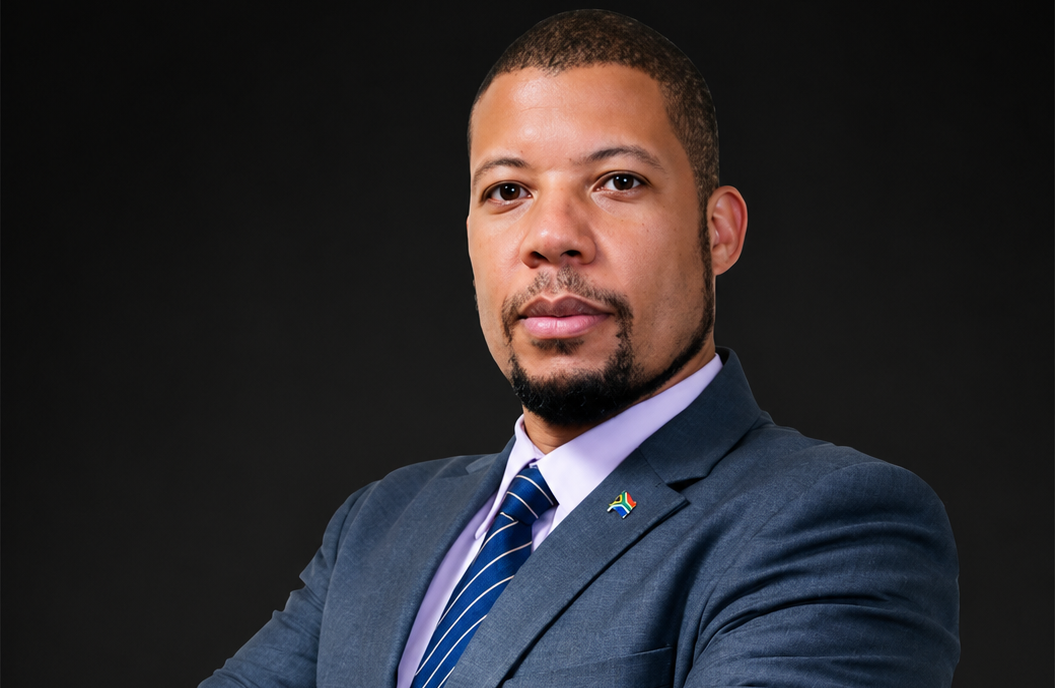
Written by Neville Matjie, Chief Executive Officer, Brand South Africa