The National Informal Traders Alliance of South Africa (NITASA) which represents the voice of more than two million informal traders across the country, has called on government to take urgent and practical steps to protect, support and grow South Africa’s informal economy.
NITASA made the call during its presentation to the Portfolio Committee on Small Business Development, where it raised the daily challenges facing informal traders across the country.
NITASA says the informal economy is one of the most important parts of South Africa’s economy. It provides income for millions of people and helps many families survive in a time of high unemployment and poverty.
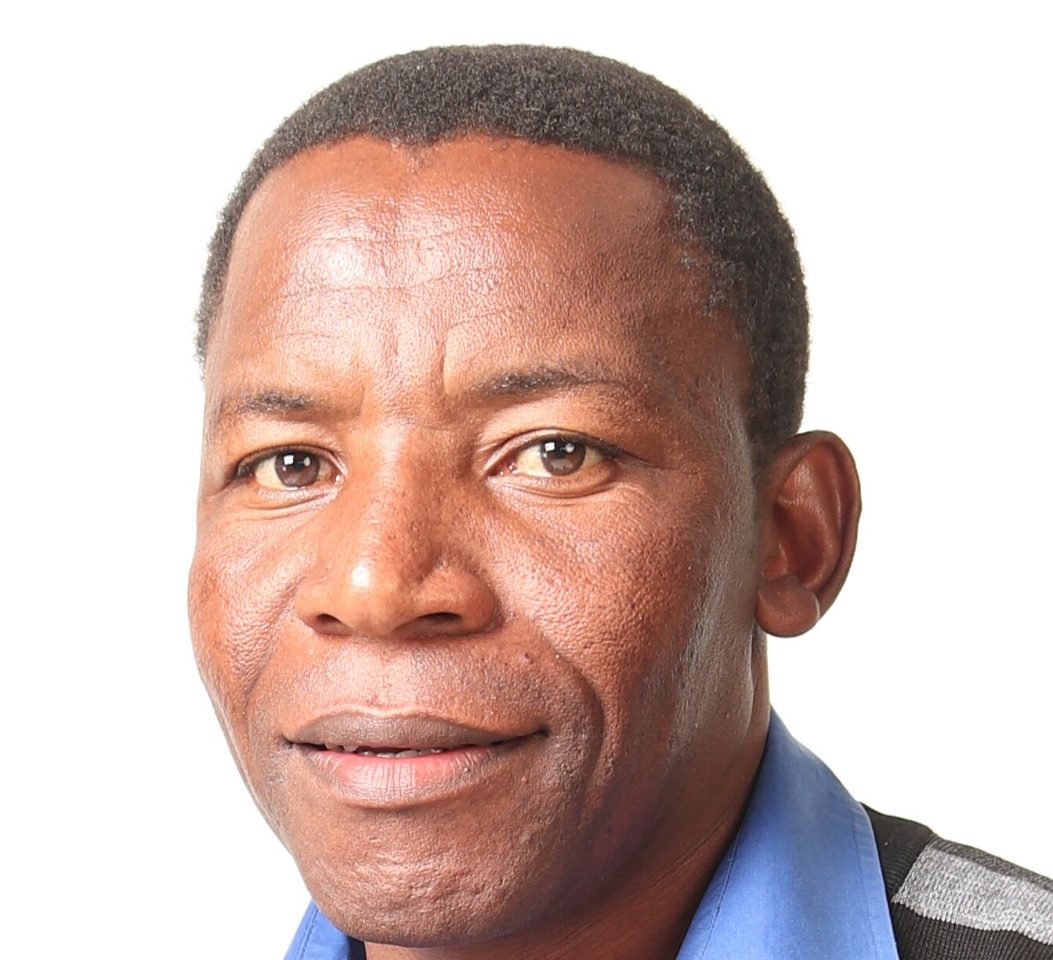
“Our members are not asking for special treatment. They are asking for fair treatment, proper support and a chance to trade legally and safely,” says Mampapatla Madikoto, General Secretary of NITASA.
In its presentation, NITASA highlighted five urgent areas that need government attention:
- The development of an Informal Economy Act to protect and support informal traders
- A simpler and more standardised municipal trading permit system
- Safe and dignified trading spaces with basic services
- Fair and lawful regulation of all businesses operating in township economies
- Stronger partnership between government and organised trader formations.
NITASA says many informal traders are struggling because of confusing municipal systems, lack of trading space, poor infrastructure and limited support from government. The organisation believes national government must work with municipalities to create one clear and fair system for trading permits across the country.
“Informal traders cannot grow if they are always treated as a problem. They are part of the solution to unemployment and poverty,” says NITASA.
NITASA also raised concerns about unfair competition and the impact of unlawful business activity in township economies. The organisation says all businesses, whether owned by South Africans or foreign nationals, must follow the law.
NITASA remains clear that concerns about illegal immigration and unfair competition must be handled through lawful government action, not through violence, intimidation or xenophobia.
“We support law enforcement, but we reject mob justice. The law must be enforced by the state, not by communities taking matters into their own hands,” says Madikoto.
NITASA has called on the Department of Small Business Development to work directly with organised informal traders and to provide support based on the real needs of traders on the ground.
The organisation says support must include access to finance, proper trading infrastructure, business development, social protection and easier registration processes.
“South Africa cannot speak about job creation while ignoring the people who are already creating work for themselves and others every day,” says Madikoto.
NITASA thanked the Portfolio Committee for the opportunity to present its concerns, but urged Parliament and government not to allow the engagement to end without action.
“Our message is simple: support informal traders, enforce the law fairly, create safe trading spaces and build township economies that work for everyone,” concludes Madikoto.