

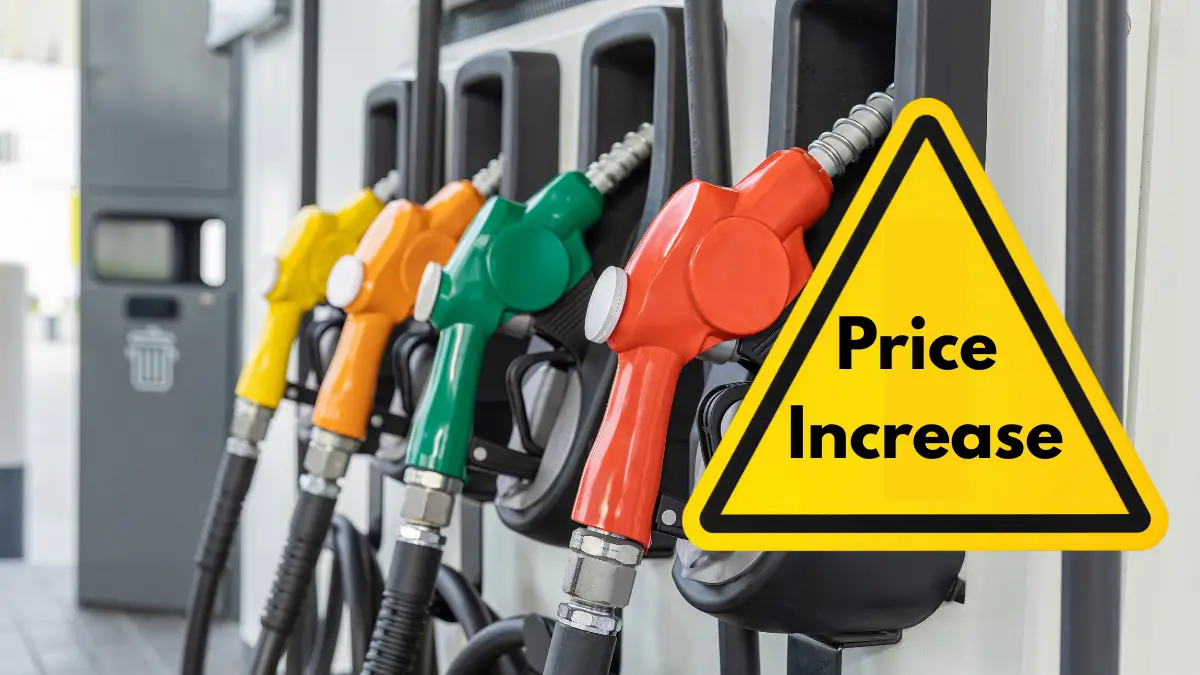
South African small businesses continue to face pressure from persistently high and volatile fuel costs, with fluctuations at the pumps adding ongoing strain to already tight operating margins. Even with the temporary fuelprice increase relief measures extended until the end of June 2026, for small and medium enterprises (SMEs), this environment represents sustained financial pressure that extends far beyond fuel itself.
For SMEs, Friedrich Meisenholl, Regional Investment Manager at Business Partners Limited, says that the impact will extend far beyond the forecourt, quickly filtering through to the bottom line of businesses. “Small businesses typically feel these shocks first because they have less pricing power and thinner cash buffers. Ongoing increases and volatility in operating costs can force tough trade-offs between protecting margins and preserving demand, often at the worst possible time.”
As higher fuel prices feed through transport, supplier costs, deliveries, on‑site services and, ultimately, shelf prices, Meisenholl says SMEs need to respond proactively to remain resilient in a shifting cost environment.
Meisenholl presents five practical steps SMEs can take now:
- Treat fuel as a manageable cost, not a fixed overhead
As a starting point to minimise the direct impact, Meisenholl suggests reviewing routes, consolidating deliveries where possible, reassessing minimum order thresholds and monitoring driver behaviour. “Many businesses treat fuel expenses as unavoidable, but small adjustments – if made consistently – can meaningfully soften the impact of higher prices over time. Every kilometre saved is a cost avoided!”
- Incorporate “shock ranges” into cashflow forecasts
For most businesses, cashflow forecasts will shift significantly depending on ongoing fuel price volatility. To avoid being caught off-guard, SMEs should model best case, base case and worst-case scenarios using the latest fuel price trends rather than fixed projections, then stress‑test working capital and supplier terms accordingly.
- Audit the cost base before adjusting pricing
Before passing costs on to customers, Meisenholl urges businesses to reassess internal cost drivers such as procurement, packaging, wastage, energy use and staffing patterns to identify efficiencies. “Price increases should be a considered decision, not a reflex response,” he says. “A holistic cost review can often reveal savings that can delay or reduce the need to pass costs on to customers.”
- If prices must rise, timing and transparency matter
Customers generally react badly to increases that feel premature or opportunistic. Clear communication is key to avoiding this, says Meisenholl. “Businesses need to be totally transparent with customers around what’s driving the change – whether it be logistics, supplier inputs, or courier costs – and reinforce the value they continue to offer.”
- Protect growth by planning funding proactively
For businesses that had planned expansion or equipment upgrades, higher fuel costs may cause delays. To avoid this, Meisenholl encourages SMEs to engage early on their funding needs, renegotiate terms where possible, and ensure facilities are aligned with cash conversion cycles.
“Cost pressure doesn’t have to mean stalled momentum,” concludes Meisenholl. “Fuel price volatility is an ongoing reality, but with the right financial support and strategic planning, entrepreneurs can adapt and position their businesses for long-term sustainability and growth.”