Islamic banking, often perceived as a niche faith-based product, is in reality a structured and principled financial system rooted in ethical governance and real economic activity. It operates under clear contractual certainty and regulatory frameworks, distinguishing it from conventional banking models. This foundation, rather than mere sentiment, underpins its sustained relevance both in South Africa and internationally, particularly as customers increasingly prioritise trust, transparency, and long-term value.
In a global environment where financial institutions face heightened scrutiny and economic pressures, disciplined governance has shifted from being a competitive advantage to a fundamental necessity for trust. South Africa’s Islamic finance sector has matured significantly over the past twenty years, progressing from early-stage participation to a more established market bolstered by regulatory recognition, innovative product development, and increasing consumer awareness.
The growth trajectory of Islamic banking is not simply a matter of scaling operations rapidly. It demands robust governance, technical expertise, and institutional consistency. Within this context, First National Bank (FNB) Islamic Banking has been evolving its leadership and operational model to support sustainable growth. Since 2004, FNB Islamic Banking has offered a comprehensive range of Shari’ah-compliant financial products including transactional banking, financing, investment, and insurance solutions. The franchise’s credibility hinges on governance structures that ensure Shari’ah compliance is not theoretical but embedded in disciplined product design, independent oversight, and stringent controls.
Customers turn to Islamic banking for certainty and ethical alignment, making consistency in product structuring, contract fulfilment, and regulatory compliance essential to maintaining trust. The South African Islamic finance market has now reached a level of maturity that permits strategic reflection on the next phase of expansion, while remaining firmly rooted in the governance principles that have underpinned its resilience.
In line with this evolution, the role of CEO has been expanded to oversee deliberate growth within the broader FirstRand Islamic Financial Services Group framework. This adjustment aims to harmonise the rollout of core Islamic financial services across governance, product development, sales channels, and operational enablement. Simultaneously, Moulana Safwaan Navlakhi has been appointed Executive Head of FNB Islamic Banking South Africa, focusing on local business performance. This bifurcation of leadership is intentional, recognising the need for dedicated management domestically alongside focused attention on expansion into new jurisdictions.
South Africa remains a priority market requiring continued leadership focus, while growth in other African regions demands patience and an in-depth understanding of diverse regulatory and governance landscapes. By separating these mandates, FirstRand seeks to safeguard both local stability and international growth without compromise.
For customers and communities, the approach emphasises continuity and strengthening of the South African franchise, supported by disciplined and measured expansion efforts. Islamic banking’s growth potential across Africa is driven by demographic trends, institutional development, and rising familiarity with Shari’ah-compliant financial instruments. Yet, this opportunity carries significant responsibility to maintain governance standards.
Expansion cannot be reduced to geographic reach alone, given the varying regulatory frameworks, market awareness, and operational challenges across countries. Sustainable growth requires exporting governance capabilities and institutional know-how rather than simply replicating products. This involves developing repeatable competencies in areas such as Shari’ah-compliant trade finance, SME lending, and digital banking platforms, all adapted to local regulatory realities.
The emphasis on governance frameworks, Shari’ah oversight, talent development, and operational discipline remains paramount, regarded as prerequisites for expansion rather than milestones. Importantly, while Islamic banking is based on Shari’ah principles, its appeal extends beyond faith communities, attracting customers who value ethical finance, transparency, and real economic engagement. This inclusivity is intrinsic to the system’s operation rather than a marketing strategy.
The potential for Islamic banking across Africa is tangible but must be approached with restraint and respect for local contexts. The focus remains on protecting the South African franchise’s strength, building capabilities methodically, and expanding in ways that preserve trust and governance integrity. Progress in Islamic finance is measured not by speed but by precision and discipline.
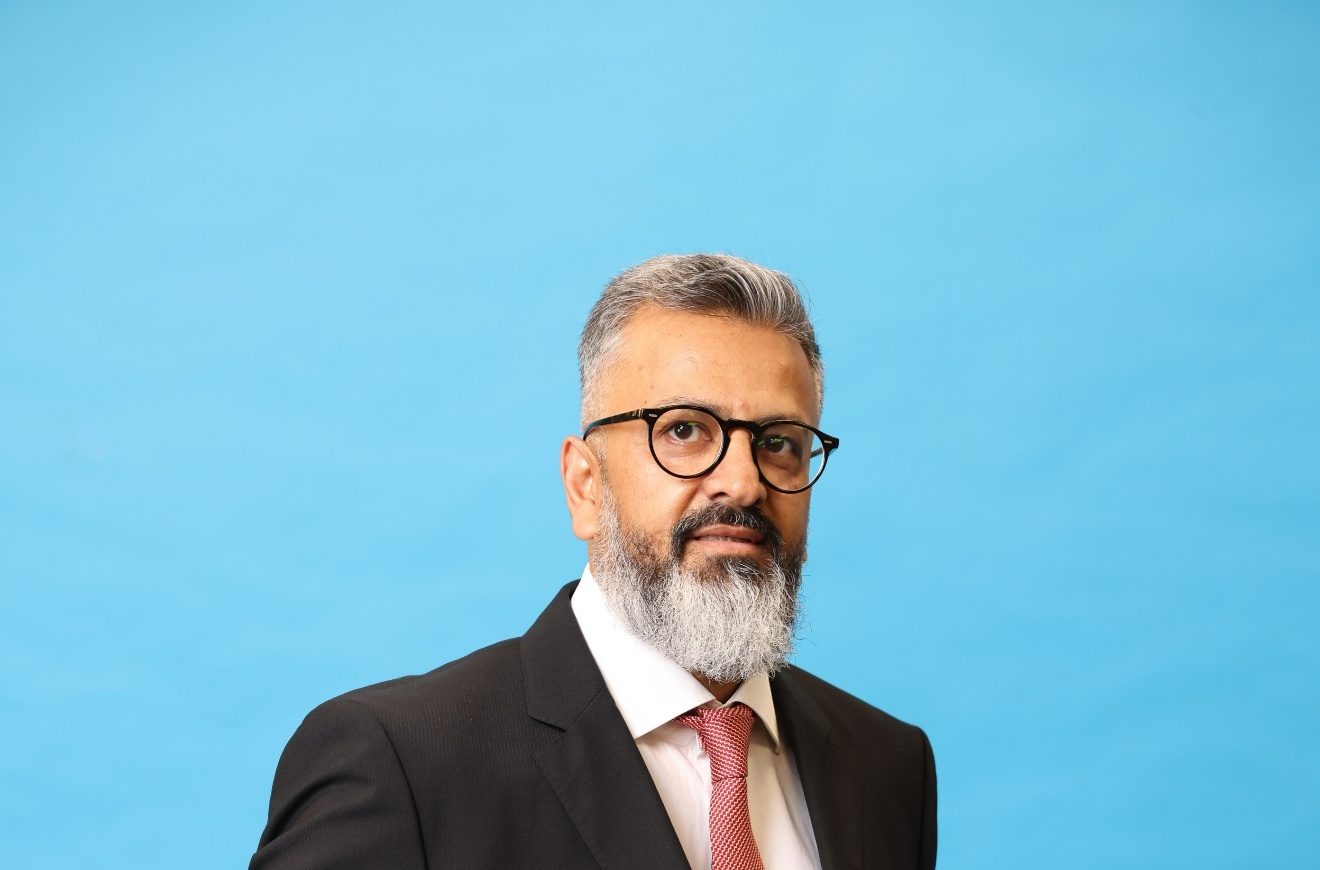
By Amman Muhammad, FNB Islamic Banking CEO