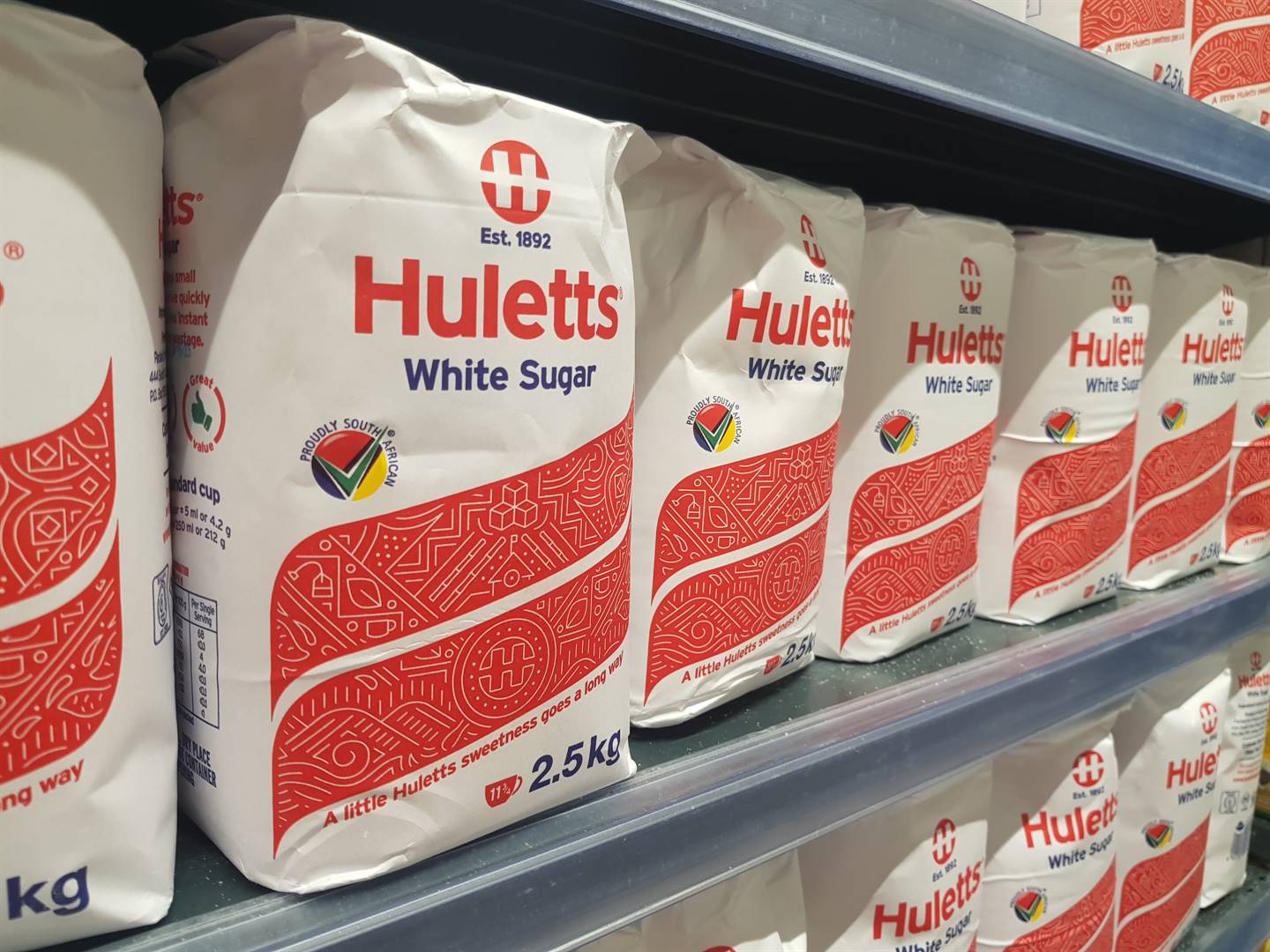
With Tongaat Hulett’s liquidation hearing now weeks away, a consortium of sugar growers has launched a new bid to stabilise the embattled sugar producer and prevent the collapse of one of KwaZulu-Natal’s most strategically important agricultural employers.
The initiative, operating under the name GrowerCo, is seeking funding to acquire and sustain Tongaat Hulett’s core South African sugar operations, including its mills and refinery network. The proposal emerges amid mounting pressure on the business rescue process, which has dragged on since 2022 following the company’s accounting scandal, governance failures and severe balance sheet deterioration.
Tongaat Hulett remains one of the largest economic anchors in South Africa’s sugar industry. The company supports between 35,000 and 40,000 direct jobs across farming operations, milling facilities and refinery activities, while thousands of indirect livelihoods in transport, logistics and rural retail are also linked to its operations. More than 17,500 sugarcane growers currently supply Tongaat’s mills, representing close to two-thirds of South Africa’s registered sugarcane growers.
The scale of the company’s importance has increasingly shifted the rescue process beyond a purely corporate restructuring exercise into a broader debate around rural economic stability, food security and industrial preservation. KwaZulu-Natal’s north coast economy remains deeply intertwined with sugar production, particularly in communities surrounding Tongaat’s Maidstone, Amatikulu and Felixton milling operations.
READ – Robert Gumede Shares What’s Killing the Sugar Industry
GrowerCo said its proposal differs materially from traditional private equity acquisition models because it seeks to place growers themselves at the centre of ownership and long-term operational control. The structure includes both commercial and small-scale farmers as equity participants, with the intention of aligning supply-chain stability directly with the future of the milling business.
The consortium argues that liquidation would trigger significantly lower recoveries for creditors and potentially irreversible damage to South Africa’s sugar value chain. According to GrowerCo’s projections, preserving Tongaat as a going concern could generate between R3 billion and R4.5 billion in recoverable value, compared with an estimated R1 billion to R1.5 billion under a liquidation scenario.
The proposal also reflects growing concern within the agricultural sector that the failure of Tongaat Hulett could accelerate the decline of South Africa’s sugar industry, which has already been weakened by rising input costs, cheap imports, changing consumer behaviour and regulatory pressure linked to sugar taxes.
Industry data from the South African Sugar Association shows national sugar production has remained under pressure for several years as mill closures, ageing infrastructure and weather disruptions reduce output capacity. The sector contributes an estimated R14 billion annually to South Africa’s economy and supports more than one million livelihoods across direct and indirect activities.
The timing of the GrowerCo intervention is significant. In April, the Industrial Development Corporation injected a further R200 million into Tongaat Hulett to keep operations running while stakeholders pursued a long-term transaction. The latest funding brought the IDC’s total exposure to approximately R2.5 billion since Tongaat entered business rescue.
READ – Steenhuisen Calls for Urgent Sugar Mills Resolutions
The IDC’s continued support highlights the state’s concern over the systemic consequences of liquidation. Beyond the agricultural implications, Tongaat’s failure would represent one of the largest industrial collapses in post-apartheid South Africa, with severe implications for rural employment and transformation initiatives.
Small-scale growers, many of whom entered commercial agriculture through land reform and black economic empowerment programmes, are particularly exposed. GrowerCo has positioned its ownership model as a form of long-term transformation by allowing emerging growers to participate directly in equity growth rather than remaining solely raw-material suppliers.
The rescue process remains highly competitive. A consortium linked to businessman Robert Gumede, operating as Vision Group, is also pursuing a bid for the company. Other interested parties have previously explored portions of Tongaat’s assets, although uncertainty around debt levels, operational sustainability and future profitability has complicated negotiations.
Tongaat’s business rescue practitioners have confirmed that operations continue under the protection of the IDC funding facility until at least 30 June 2026, while discussions around an implementable transaction continue ahead of the KwaZulu-Natal High Court hearing scheduled for 17 and 18 June.
The broader sugar sector is watching closely because Tongaat’s outcome may influence future consolidation across South African agriculture. Analysts note that vertically integrated models linking growers directly to processing infrastructure are becoming increasingly important as commodity producers seek greater resilience against price volatility and supply-chain disruptions.
Below is an overview of Tongaat Hulett’s strategic importance to the South African sugar sector:
| Metric | Estimated Impact |
|---|---|
| Direct jobs supported | 35,000 – 40,000 |
| Sugarcane growers supplying Tongaat | 17,500+ |
| IDC funding since 2022 | R2.5 billion |
| Estimated liquidation recovery | R1bn – R1.5bn |
| Estimated going-concern recovery | R3bn – R4.5bn |
| National growers dependent on Tongaat | Nearly 63% |
The outcome of the June hearings is likely to determine not only the future of Tongaat Hulett, but also the stability of large sections of South Africa’s sugar economy at a time when the sector is already navigating structural and financial strain.