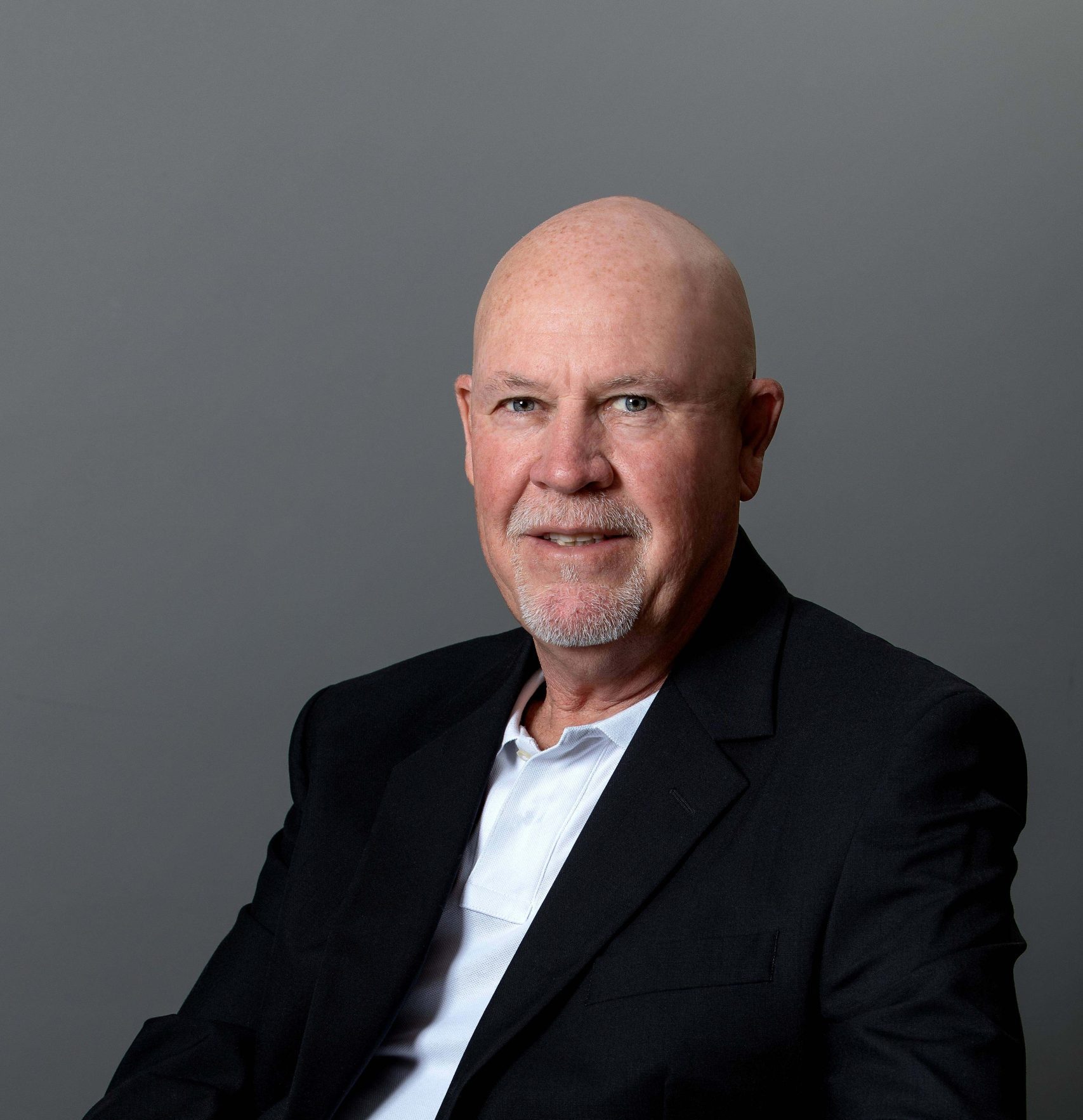
The board of Oceana Group has extended the contract of chief executive Neville Brink by a further year, keeping him in the role until 31 December 2027. The decision was framed by the board as a measure to protect continuity at a time when several strategic programmes are in motion across the group’s three operating divisions — Lucky Star, Wild Caught, and Fishmeal and Fish Oil.
The extension also buys the board more time to complete what it described as an extensive succession process. Finding a suitable replacement for the head of Africa’s largest fishing company, which generated revenue of R10 billion in the financial year ended September 2025, is no small task. The board acknowledged that its search had not yet yielded an appropriate candidate, and that Brink’s continued presence would allow it to refine that process without disruption.
READ – Oceana Posts Strong Performance
Brink, who has spent more than 30 years in the fishing industry, was appointed CEO in February 2022, stepping into the role after a career that included senior positions within Oceana itself. His tenure has coincided with a period of significant volatility for the group. In FY2025, revenue slipped 0.7% to R10 billion, with operating profit falling 23.2% as global fish oil prices — which had reached record highs in the prior year — roughly halved. The fishmeal and fish oil division bore the brunt of that correction.
Against that backdrop, Lucky Star has emerged as the group’s most resilient performer. In the five months to 22 February 2026, Lucky Star recorded a 6.7% increase in sales volumes, driven by strong domestic demand for canned fish as South African consumers continued to trade down to cheaper protein sources. Non-fish products within the Lucky Star range also gained ground, with canned meat volumes growing strongly. The Wild Caught segment benefited from improved horse mackerel results out of Namibia and South Africa, partially offsetting the weaker fishmeal performance.
Oceana is listed on the JSE under the ticker OCE and also has a secondary listing on the Namibian Stock Exchange. The group employs thousands of people across South Africa, Namibia, and the United States, where it operates a lobster and squid business. With succession unresolved and a recovery in fish oil prices still uncertain, Brink’s extended mandate gives the board a window to stabilise both its leadership pipeline and its earnings trajectory.
READ – Here’s how a strong demand for the Lucky Star brand has increased Oceana’s profits