While they grapple with long-standing regional and local challenges, African organisations are simultaneously under pressure to navigate a global environment characterised by poly-crisis. Currently, Middle East turmoil makes the interconnectedness of geopolitical and economic shocks explicit, and in less overt and more ambiguous ways these are amplified by the intense climate change and technology pressures of these times.
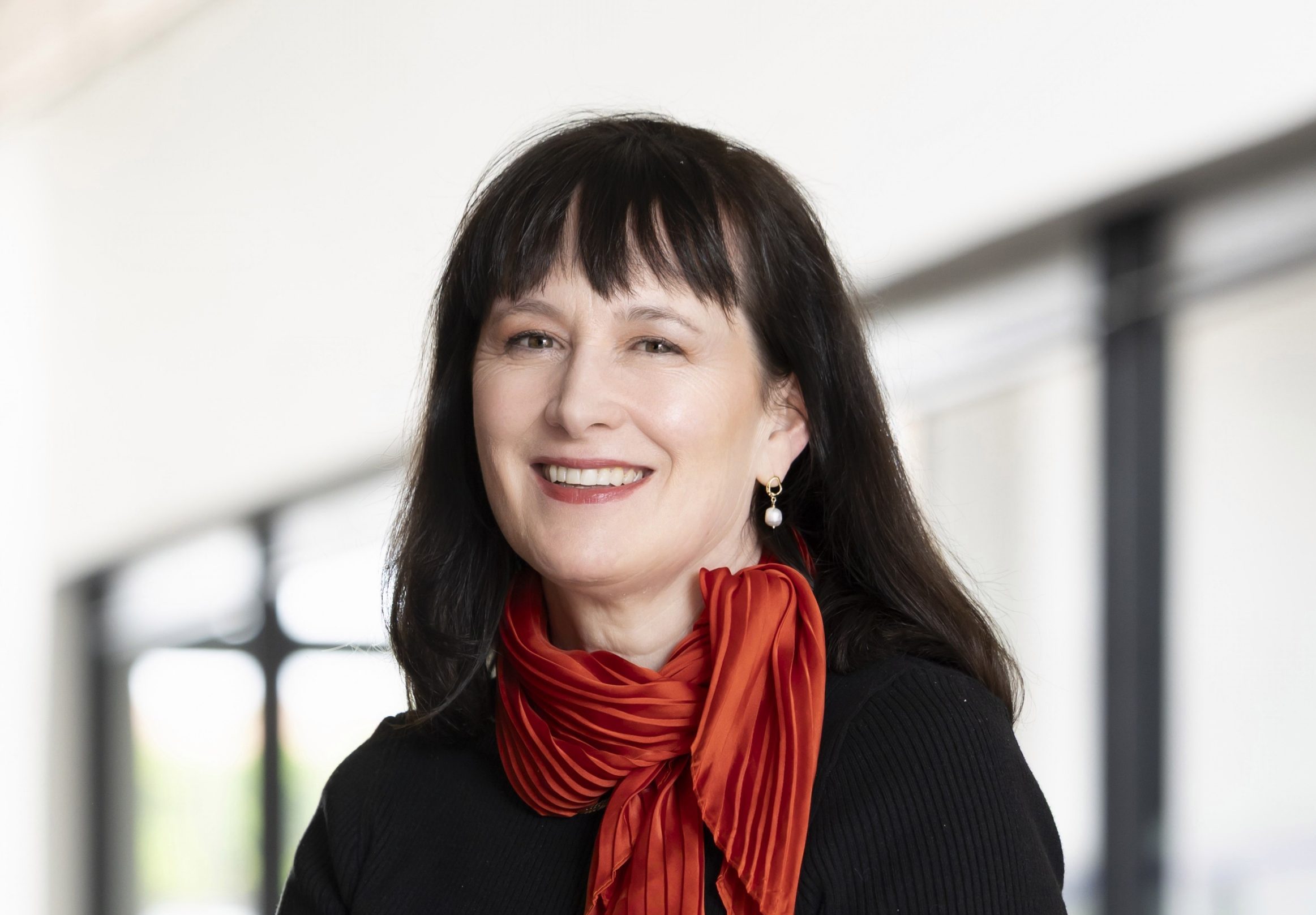
Professor Nicola Kleyn, Faculty Lead for the GIBS MPhil in Leading in New Economies programme says, “Every era brings new challenges that arise beyond the boundaries of a company’s industry. Whilst leaders cannot become experts in each specific
macroenvironmental shift such as geopolitics or AI, they can develop their capacity to navigate complexity and think systemically across the broader ecosystem in which their organisation operates.
“Academic research into the relationship between leadership and macroenvironmental disruption suggests that leaders need to develop cognitive complexity to see the world outside of themselves in complex and multi-faceted ways, as well as cultivate specific organisational mindsets within their organisations.”
Using organisational purpose and strategy as navigational guides
Professor Kleyn continues, “Just as a sea captain needs to know both their vessel and their destination to chart an appropriate response when steering in turbulent waters, so too do organisations need to ‘steer’ according to their purpose and values. Staying close to purpose ensures that organisations don’t lose their North Star in times of crisis, and rather than having their reputations diminished, can use these times to build organisational resilience.”
“A strategy charts interconnected decisions an organisation makes in pursuit of its purpose. Organisations rarely adapt their purpose in the face of major macroenvironmental disruptions. They do, however need to understand the plausible impacts of these changes on their strategic intentions and change tack where required. Navigating in these times of poly-crisis requires that organisations and their leaders need to build their capacity to sense-make the big-picture shifts. This enables them to anticipate plausible consequences and collaborate with their stakeholders to adapt, and even sometimes transform, their organisations.”
Understanding the global forces shaping new economic realities
Today’s corporate leaders need to develop perspectives beyond unhelpful binary ways that we tend to make sense of the world. Professor Kleyn points out, “Although forecasters can sometimes give predictions of the outcome of macroenvironmental shifts, the complexities of many of these shifts means that there is no simple way to forecast the impacts on an organisation.
“Instead, leaders need capabilities to identify and explore multiple possible outcomes to determine possible, plausible, probable and preferred trajectories. This is why we focus on methods associated with systems theory, strategic foresight and stakeholder analysis which can play an important role in building anticipatory capabilities.”
Co-creating innovation and growth with eco-system stakeholders
An important component of the mind-shift that leaders need to make is to expand their curiosity and perspectives so that the eco-system becomes the unit of their analysis rather than the organisation. African executives who develop these competencies become more adept at analysing the broader environments in which they operate. At the same time, they also enhance the skills needed collaborate with others. Critical to the learning experience is to develop the personal resilience needed to operate in times of rapid change.
“It’s important for organisations to see themselves as part of broader eco-systems. Although stakeholder interests may vary across these eco-systems, working with stakeholders to explore the macroenvironmental shifts and their possible impact is likely to result in more sustainable actions that build the resilience of the local system. Even when organisations hold significant power in local eco-systems, navigating shifts in isolation is dangerous, particularly in more collective cultural contexts,” explains Professor Kleyn.
Although new economies, such as the digital and AI economies, may not always lead to outcomes that favour humanity and the planet, organisations still need to deeply understand new economies to develop responses that manage risks while leveraging benefits. Professor Kleyn concludes, “However, organisations do need to progress beyond the understanding of the commercial opportunities and risks that new economies may present. Their decision-making should also incorporate considerations related to ethics and corporate responsibility.”
The MPhil in Leading in New Economies is part of GIBS’s suite of research-led Masters degrees for Board members, executives and senior managers navigating disruption and rapid change. It develops leaders’ ability to read the macro-environment by spotting weak signals, making sense of complex, interconnected forces (geopolitics, technology, climate and shifting trade and market dynamics) and translating these insights into action. Grounded in systems thinking and strategic foresight, the programme strengthens judgement under uncertainty and equips participants to work across stakeholder ecosystems through collaboration and co-creation. Through a rigorous research component, students build the analytical depth and intellectual leadership needed to shape resilient, responsible responses in new and evolving economies.
Applications for the 2026 academic year are open now, and close on the 16th April 2026.
Learn more here.