
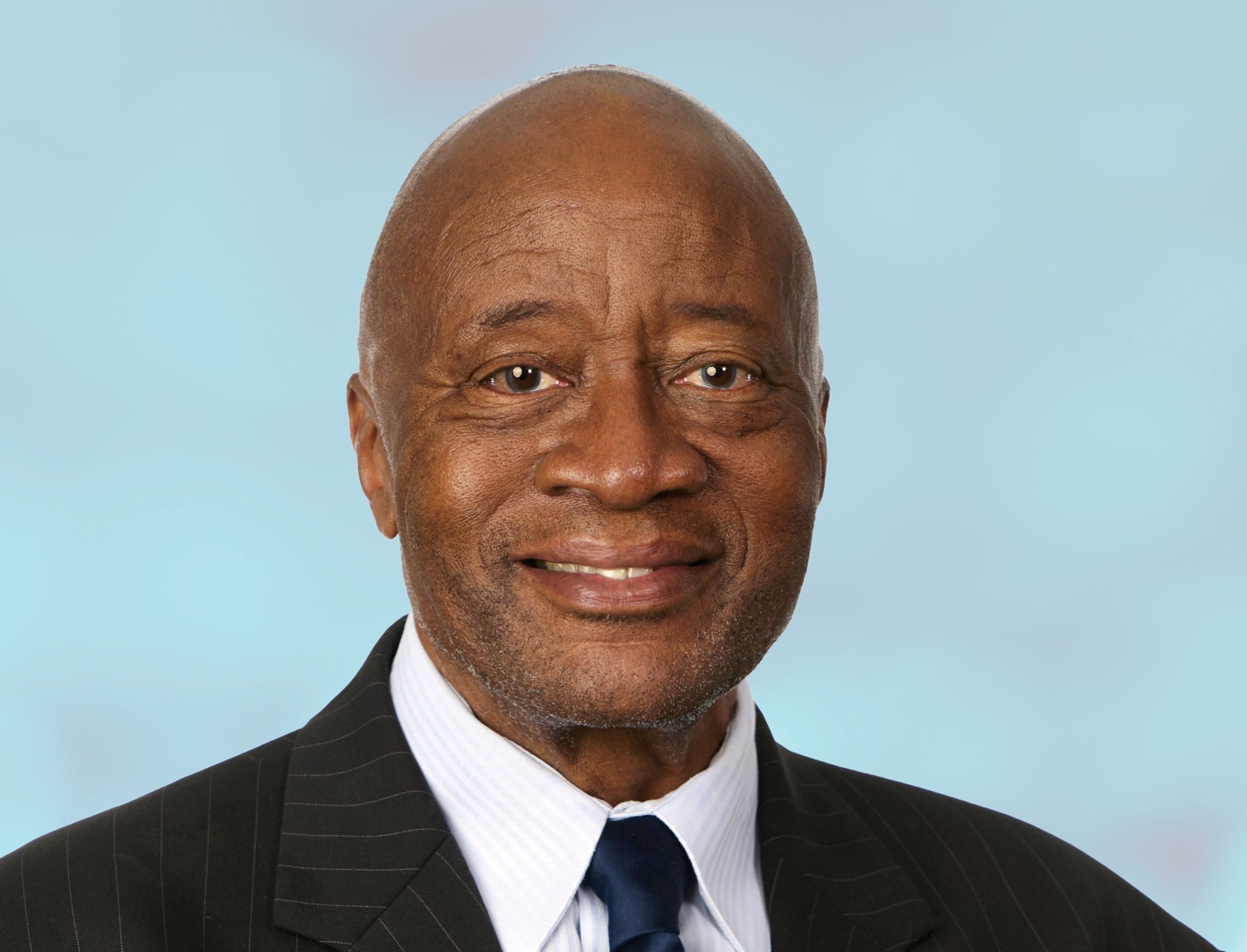
Sibanye-Stillwater has dismantled the age cap that previously required non-executive directors to step down at 72, clearing the way for board chair Vincent Maphai — who turns 73 this year — to remain in the role through the company’s current period of leadership change. Sibanye confirmed that all directors would henceforth be subject to annual fitness, capability and propriety assessments in place of the fixed age threshold, in line with the JSE Listings Requirements.
The timing is significant. Sibanye is in the middle of a leadership transition after former chief executive Neal Froneman, who reached the company’s mandatory executive retirement age of 65, stepped down in October following more than a decade at the helm. His successor, Richard Stewart, is in his late 40s, while chief financial officer Charl Keyter is 51. The age gap between the incoming executive team and a board with an average age of 63 — with 80 per cent of members older than 60 — makes continuity of senior oversight a practical concern.
As detailed by Sibanye-Stillwater, Maphai has accumulated two decades in academia and more than 15 years as a senior executive in the private sector, with board experience spanning the South African Broadcasting Corporation, BHP Billiton’s southern African operations, South African Breweries and Discovery Limited. His appointment as non-executive chairman took effect in February 2020. The governance change may also preserve the tenure of other senior board figures, including Rick Menell, former president of the Minerals Council South Africa.
Stewart has moved quickly since assuming the chief executive role to outline a change in direction. In his first major address to shareholders, he set out a strategy focused on debt reduction and investment in the existing portfolio, stepping back from the acquisitive approach that characterised the Froneman era — which included the R30 billion acquisition of Montana-based Stillwater Mining in 2016 and subsequent moves into platinum group metals, lithium and zinc.
READ – Sibanye-Stillwater Secures Essential Three-Year Labour Stability
The decision sits within a broader wave of governance and leadership change across South Africa’s listed mining sector. African Rainbow Minerals announced last month that founder Patrice Motsepe would step down as chairperson, attributed to new JSE rules barring board chairs from performing executive functions. Harmony Gold saw Beyers Nel take over as chief executive in early 2025, succeeding Peter Steenkamp after nine years. Copper 360 announced an unplanned leadership reshuffle, with chief executive Graham Briggs and commercial executive Stephan du Plessis taking immediate leave of absence, leaving chief operating officer Gordon Thompson acting in the role.
The regulatory context for these shifts is the JSE’s overhaul of its listings requirements, which came into full effect in January 2026. As reported by Bowmans, the JSE’s Simplification Project — proposed in May 2022 and finalised through public consultation in late 2024 — condensed the requirements into a framework roughly half the length of its predecessor, with revised provisions on board diversity, corporate governance disclosures and committee structure. The revised rules favour tenure-based over age-based thresholds as the governing standard for director rotation.
For Sibanye, the practical effect is a board able to retain experienced oversight through a period of sustained pressure on platinum group metals earnings — a market downturn that has weighed on its share price since the peak of 2021. Stewart’s stated priority of debt reduction and portfolio consolidation over external acquisitions reflects that operating environment, and the board’s institutional continuity will be central to how that strategy holds up in the years ahead.
ALSO READ – Richard Stewart Takes Helm at Sibanye-Stillwater