
Japanese car brands continue to command the Namibian automotive sector in 2025, with sales reaching 7,861 units from January to October, capturing a robust 64.86 per cent market share. This marks a marginal increase from the 63 per cent recorded over the same period in the previous year, underscoring enduring consumer loyalty to reliable, value-driven options amid economic uncertainties. In October alone, Japanese models accounted for 848 registrations, equating to 66.93 per cent of that month’s total, as detailed in a recent analysis by Simonis Storm Securities.
Toyota stands out as the undisputed leader within this category, buoyed by unwavering demand for stalwarts like the Hilux pickup, the versatile Corolla Cross, and the rugged Fortuner SUV. However, analysts note a subtle softening in Toyota’s monthly sales momentum, suggesting the market may be approaching saturation levels. This trend coincides with intensifying rivalry from agile newcomers, particularly Chinese marques, which are altering purchasing patterns through competitive pricing and innovative designs. Looking ahead, the debut of the ninth-generation Hilux in 2026 is anticipated to inject fresh vitality into the bakkie division, potentially re-establishing performance standards.
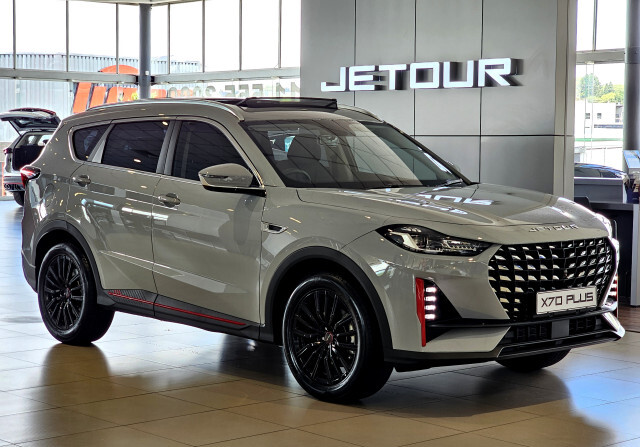
Chinese vehicles are carving out a more prominent niche, with 153 units sold in October alone, securing a 12 per cent monthly share—more than double the five per cent achieved the year prior. Haval maintains its position as the frontrunner among these entrants, with 336 units moved year-to-date, stabilising at approximately four per cent of the overall market. Emerging players are also accelerating: Omoda has registered 72 sales so far this year, Jetour 77, and Jaecoo 16, drawing buyers with compelling affordability, sleek SUV aesthetics, and bolstering dealership infrastructures. Dealers have confirmed Jetour’s plans to launch two new models, the T1 and T2, by year-end, a move poised to amplify this upward trajectory.
Such advancements signal a profound evolution in buyer inclinations, where affordability intersects with contemporary styling and advanced functionalities to eclipse traditional priorities. As reported by The Brief, this shift mirrors broader regional patterns, with Chinese brands collectively expanding their foothold from 9.8 per cent in April 2025 to 11.7 per cent by May, reflecting heightened trust in their after-sales reliability and cost-effectiveness.
In stark contrast, German marques endured yet another lacklustre month, registering 128 units in October for a 10.10 per cent share. Volkswagen bears the brunt of this segment, with 1,022 year-to-date sales and 85 in October, trailed by Mercedes-Benz at 230 cumulative and 26 monthly. While these brands leverage their storied reputation for engineering prowess, their sales increasingly hinge on fleet purchases from rental firms and corporates. Private consumers, grappling with elevated running costs and price sensitivities, are pivoting towards more economical Asian alternatives.
American contender Ford managed 67 units in October, contributing to a subdued presence in a market where Japanese incumbents, led by Toyota, retain an unassailable lead. Yet, the gradual easing of monthly figures hints that allegiance to heritage alone may no longer suffice for sustained expansion. Chinese producers, evolving from peripheral threats to formidable rivals, are propelled by swift model refreshes, enticing tariffs, and proliferating service networks.
The broader landscape reflects ongoing contraction, with October’s 1,267 registrations marking a 2.8 per cent dip from September’s 1,303 units—the seventh straight monthly decline. According to Focus2Move, Namibia’s vehicle market stagnated at a mere 0.4 per cent growth for full-year 2024, trailing pre-pandemic highs, as economic headwinds like subdued household spending and persistent drought curb discretionary outlays. Despite this, the influx of diverse, budget-friendly imports could foster a more dynamic ecosystem, potentially catalysing recovery in 2026 through heightened competition and innovation.