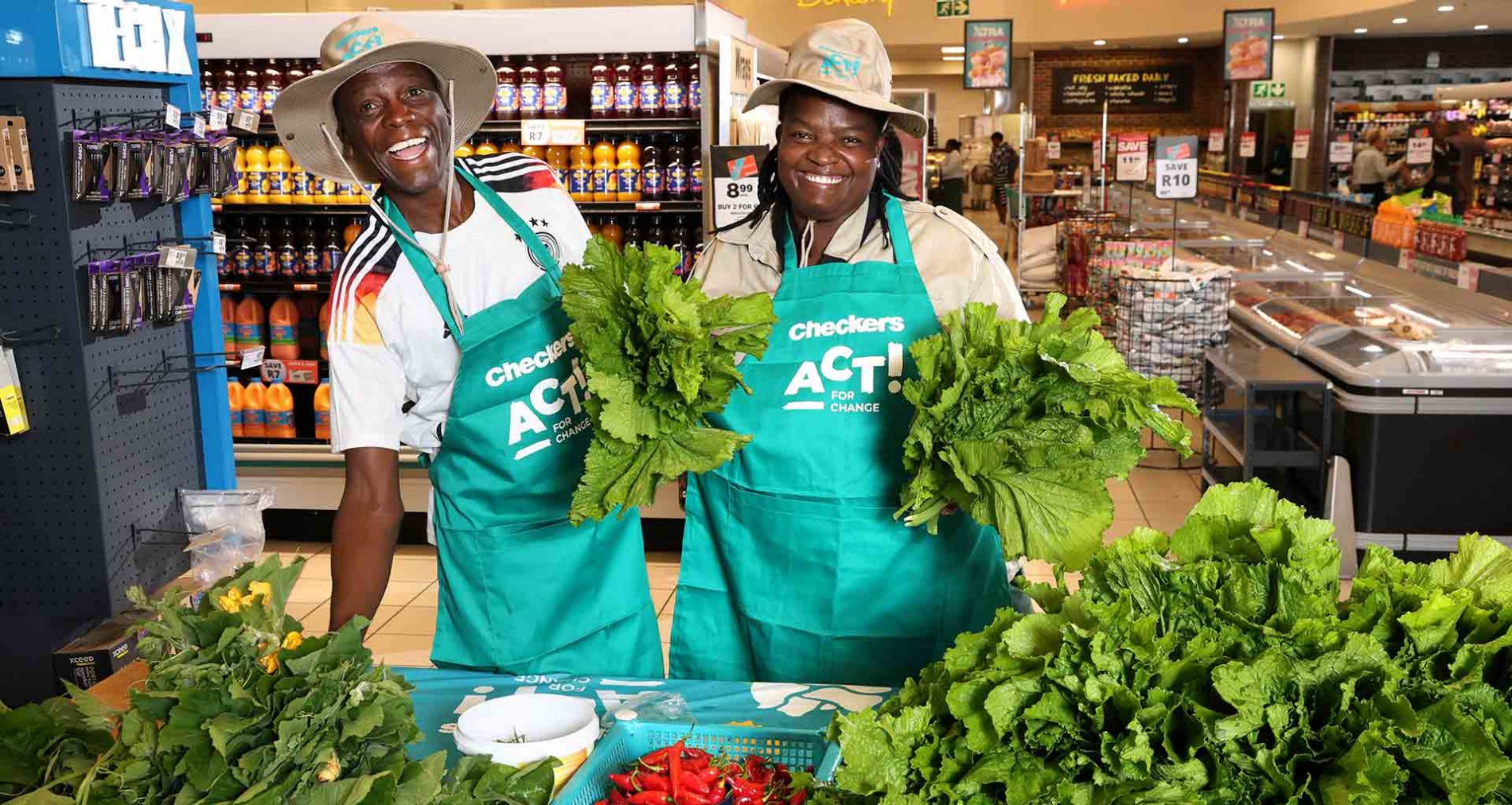
Shoprite has launched its inaugural Act For Change Food Garden Competition, offering R1 million in tailored support to recognise and empower community gardens tackling hunger and fostering sustainability across South Africa. From urban rooftops and schoolyards to rural plots and township corners, these initiatives are cultivating fresh produce, skills, and social cohesion, transforming vulnerable neighbourhoods into resilient food hubs.
The retailer, which has backed nearly 300 such projects over the past decade, aims to amplify their impact through prizes designed to meet each garden’s specific needs, whether infrastructure upgrades, training, or expansion resources. These efforts yielded more than 106,000kg of vegetables last year, providing affordable nutrition while enabling participants to generate income from surplus harvests and develop agricultural expertise, as reported by Shoprite Group.
Sanjeev Raghubir, the group’s chief sustainability officer, emphasised that sustainable change emerges from local action, equipping communities not just with food but with lifelong capabilities. The competition welcomes entries from any community garden, regardless of existing corporate backing, inviting applications via the Act For Change platform until early 2026.
Despite progress in the South African Food Security Index, which rose from 44.9 in 2023 to 56.5 this year, millions still face barriers to nutritious meals. Community gardens counter this by boosting local supply, enhancing affordability, and promoting collective stewardship, positioning them as vital buffers against food insecurity amid rising living costs.
One standout example is the Dikonyana Community-Based Care Centre in Mangaung’s Namibia Square, initiated by Selina Majafi in 2004 and revitalised in 2012 with Shoprite’s assistance alongside the Commonwealth Handling Equipment Pool. Equipped with fencing, shade netting, and rainwater harvesting, it now sustains over 130 people with meals five days a week, demonstrating how targeted investment can restore and scale grassroots efforts.
This initiative aligns with broader national programmes, such as the Department of Agriculture’s support for over 15,000 household and institutional gardens since 2020, which have collectively produced millions of kilograms of produce. In urban centres like Cape Town, similar models have integrated seed libraries and training hubs, further embedding food sovereignty in low-income areas, according to the South African Food Security Index 2025. By spotlighting these green oases, Shoprite’s competition not only celebrates existing success but seeks to inspire a nationwide proliferation of community-led solutions to hunger.