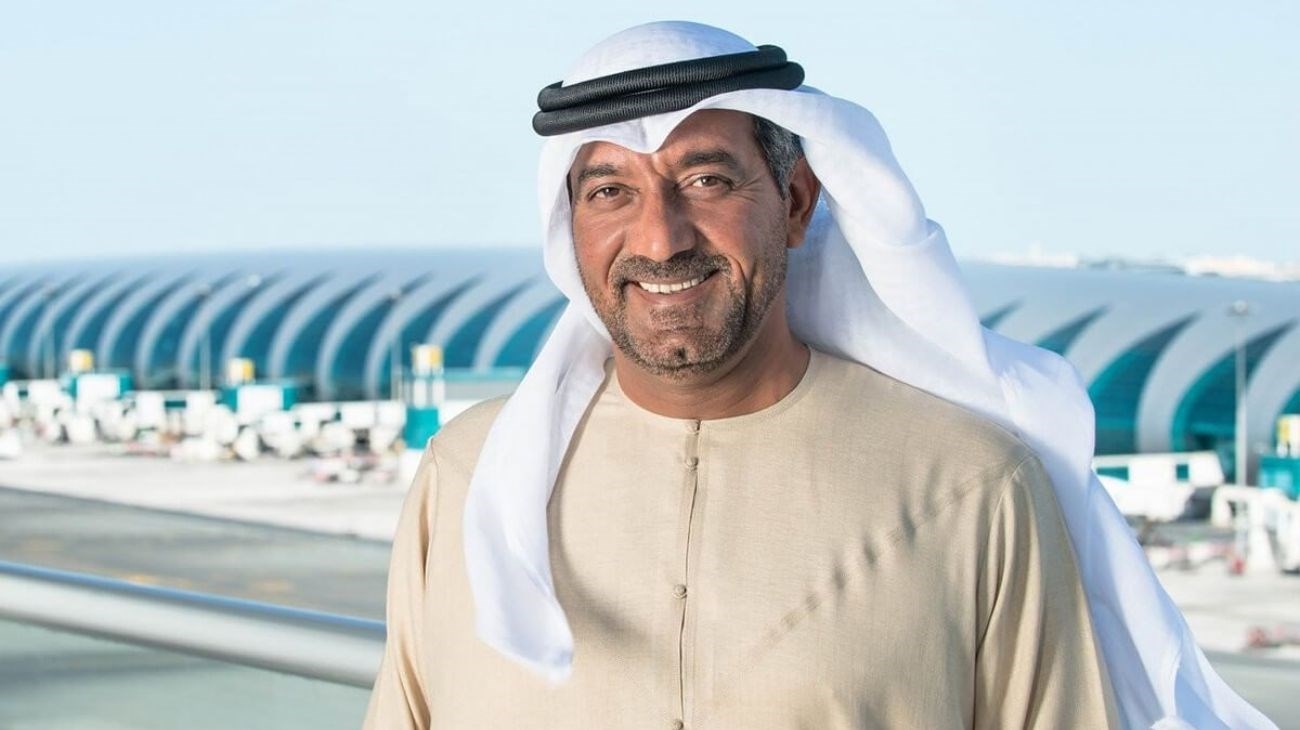
The Emirates Group has delivered its most profitable year ever, posting a record £3.9 billion in net profit for the 2024-25 financial period as global passenger demand reached unprecedented levels. The Dubai-based aviation and travel conglomerate, which includes the flagship Emirates airline and the dnata airport services arm, saw revenues climb 15 per cent to £28.2 billion, underlining the robust recovery of international travel following the pandemic.
According to the group’s annual report released on Thursday, passenger numbers across the Emirates network rose 19 per cent to 62.5 million, with the airline achieving its highest-ever load factor of 83.4 per cent. Sheikh Ahmed bin Saeed Al Maktoum, chairman and chief executive of Emirates Group, described the performance as a testament to the strategic investments made during the toughest years of the crisis. The group declared a dividend of £670 million to its owner, the Investment Corporation of Dubai, while rewarding staff with a full-year bonus equivalent to 24 weeks’ salary—the largest payout in the company’s history. As reported by Bloomberg, this reflects confidence in sustained demand despite geopolitical tensions and rising fuel costs.
Emirates airline itself contributed £3.5 billion to the group profit, up 12 per cent from the previous year, carrying 58.6 million passengers across its 140-plus destinations. The carrier took delivery of 18 new aircraft, including nine Airbus A350-900s and seven Boeing 777-300ERs, while retiring older models to improve efficiency and reduce emissions. The average age of the fleet now stands at 9.2 years, one of the youngest among global network carriers. According to FlightGlobal, the airline’s cargo division also performed strongly, transporting 2.2 million tonnes and generating £2.1 billion in revenue as supply-chain pressures eased.
Dnata, the group’s ground-handling and travel services unit, added £690 million in profit, a 40 per cent increase year-on-year, benefiting from higher passenger volumes at Dubai International Airport and expansion into new markets. The division now operates in 38 countries, having secured contracts at major hubs including London Gatwick, Rome Fiumicino, and Singapore Changi. As detailed in Gulf News, dnata’s catering arm produced 117 million meals during the year, marking a return to pre-pandemic volumes.
The results come against a backdrop of strong growth at Dubai’s aviation hub, which handled 92.3 million passengers in the financial year, surpassing its previous record set in 2018. According to Dubai Airports, the emirate is on track to welcome 100 million travellers in calendar 2025, cementing its position as the world’s busiest international airport. Emirates currently operates more than 3,800 weekly flights from its Terminal 3 home, connecting Dubai to six continents.
Despite the celebratory figures, the group acknowledged external challenges. Fuel remained the single largest cost item at £8.9 billion, accounting for 32 per cent of operating expenses, while currency fluctuations and regional instability affected some routes. Nevertheless, the airline maintained its trademark premium service, launching new first-class suites on retrofitted Boeing 777s and expanding its renowned onboard shower spa facilities. As noted by The National, customer satisfaction scores reached an all-time high of 92 per cent in independent surveys.
Looking ahead, Emirates has £46 billion in aircraft orders outstanding, including 310 wide-body jets from Airbus and Boeing. The carrier plans to add 50 A350s and 115 777Xs over the coming decade, alongside a £1.6 billion investment in cabin upgrades. Analysts expect continued profitability as leisure and business travel demand shows no signs of slowing, particularly on long-haul routes to Asia, Australia, and the Americas.
The group’s performance contrasts sharply with European rivals still grappling with higher labour costs and fragmented markets. As reported by Reuters, IAG and Lufthansa posted solid results but trailed Emirates in profit margins, highlighting Dubai’s advantage as a global transit hub with lower taxes and fewer regulatory constraints.
For the thousands of employees who endured pay cuts and uncertainty during the pandemic, the record bonus represents a significant reward. Cabin crew, pilots, engineers, and ground staff will share in the success, reinforcing the company’s reputation for looking after its workforce during both downturns and booms. According to Khaleej Times, recruitment drives are already under way to support network growth, with 12,000 new hires planned for the current financial year.
As the aviation sector enters what many describe as a golden era of demand, Emirates appears perfectly positioned to capitalise. With a modern fleet, an expanding route map, and Dubai’s ambitious tourism targets, the flag carrier of the United Arab Emirates has firmly reclaimed its place among the world’s most profitable and influential airlines.