

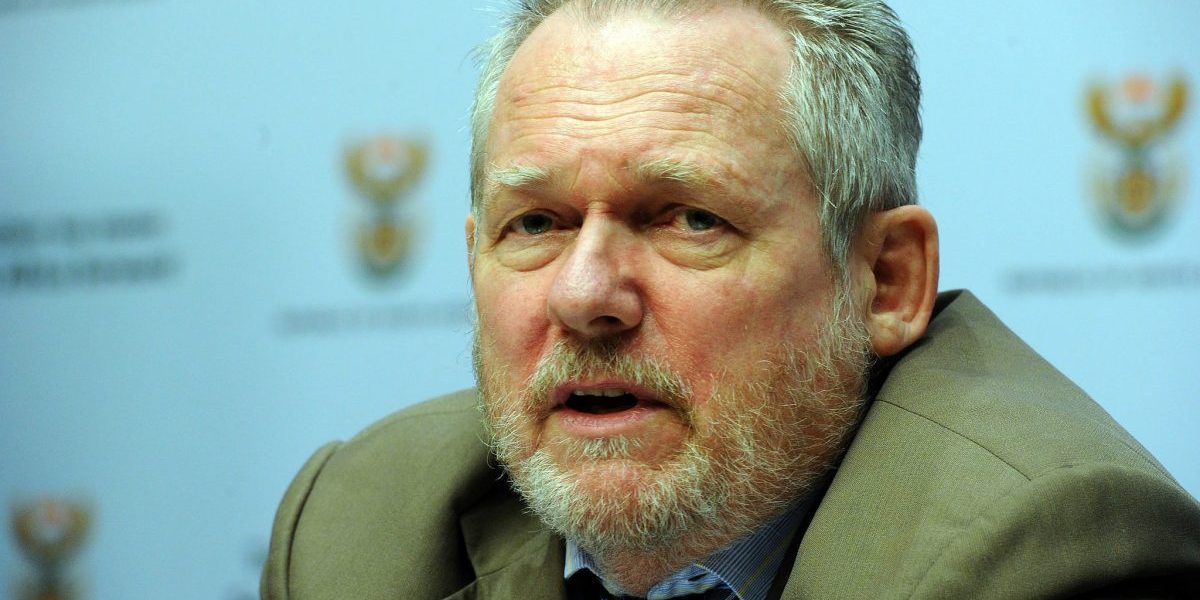
Former Trade and Industry Minister Rob Davies expressed his astonishment at the dominance of imported vehicles in South Africa’s new-vehicle market, revealing that imports—primarily from India and China—now account for 64% of all new cars and bakkies sold in the country.
Davies, who was instrumental in shaping the government’s automotive policy through the Automotive Production and Development Programme (APDP) running from 2021 to 2035, had initially set ambitious goals for the industry. He aimed to double employment and vehicle production while increasing the local content value in South African-made vehicles by 50%. However, since the program’s announcement in 2018, employment, production, and local content have all declined, attributed partly to the economic fallout from COVID-19 and a slow government response to changing market conditions.
Speaking at the Naamsa annual Auto Week conference in Gqeberha, Davies described the current market share of imports as “astounding.” Despite a strengthening new-vehicle market, local production remains low due to the influx of imports filling the demand gap. Reports suggest that at least 25 Chinese car and bakkie brands are now available in South Africa.
In response to the growing competition from imports, local vehicle manufacturers are calling for higher import duties on fully built vehicles. They are also advocating for the government to allow them to use the value of APDP import-duty credits—earned for production and local content—to lower retail prices for their vehicles.
Andrew Kirby, President of Toyota SA Motors, echoed these concerns, warning that South Africa risks becoming an “import replacement market.” He emphasized the need for parity between imports and local production, targeting a balanced market share of 50% each. Current industry production is below 600,000 vehicles annually, whereas it should exceed 700,000 to meet demand effectively.
Kirby noted that two-thirds of current production is exported, but the industry cannot rely on international markets indefinitely, especially as major regions like the UK and EU shift away from petrol and diesel engines in favor of electric vehicles. This transition poses a significant challenge for South Africa’s automotive sector, which must adapt to remain competitive.